
7 Ways to Prevent Jet Lag From Long-Haul Flights
Traveling across multiple time zones can be one of life’s most exhilarating experiences, aka you’re going on a trip! Seeing the world! Whether you’re flying from New York to Tokyo for a business meeting, or from London to Aspen for a ski getaway, there’s a thrill in stepping off a plane and immersing yourself in a new culture, environment, and routine.
But then reality hits: jet lag. UGH! The dreaded jet lag. You’re probably reading this post because you want to learn how to prevent jet lag.
I have been on 20+ long-haul flights in my lifetime, and trust me, I have been determined to find ways to minimize jet lag when I land. There have been few trips where I land in my destination and walk off that plane feeling like a zombie, and it takes me 2 days to acclimate which in some cases has been like a quarter of my trip.
So yeah, I care about this topic, a lot!
Jet lag is that foggy, disoriented, and downright frustrating feeling when your body’s internal clock, or circadian rhythm, doesn’t align with the local time at your destination. You may find yourself waking up at 3 a.m., struggling to stay awake during crucial daytime hours, or feeling completely drained when you most need energy 🙁
But beyond the basics, there are little-known tips and practical habits that make a real difference in how you feel when you touch down.
In this guide, we’ll explore 7 ways to prevent jet lag from long-haul flights. These are practical, actionable strategies that work regardless of whether you’re traveling for business, leisure, or adventure. Implementing even a few of these can dramatically improve how you feel in the first 24–48 hours after arriving in a new time zone.
1. Adjust Your Sleep Schedule Before You Travel
One of the most effective ways to prevent jet lag is to start adjusting your sleep schedule before you even board your flight. Our bodies operate on circadian rhythms. A known 24-hour cycle influenced by light, meals, and social cues. When you travel across time zones, your circadian rhythm can fall out of sync with your new environment, which is what causes jet lag.
- Gradually shift your bedtime and wake-up time: If you’re traveling east, try going to bed and waking up 1–2 hours earlier each night for several days before your departure. This helps your body anticipate the earlier schedule at your destination. For westward travel, stay up later and wake up later to match your destination time zone.
- Nap strategically: Short naps can help you cope with the shift, but avoid long naps that may make it harder to sleep at night. Fifteen to twenty-minute power naps can be refreshing without affecting your ability to fall asleep later.
- Simulate local light exposure: Use natural sunlight or bright light boxes to signal to your body when it’s time to be awake. Exposure to light in the morning helps advance your body clock for eastward travel, while evening light helps delay it for westward travel.
Some travelers even find it useful to gradually eat meals on the schedule of their destination in the days before departure. Every small adjustment helps your body anticipate the change, making jet lag less severe. I typically try to either go to sleep sooner or stay up later depending on where I am headed.
2. Stay Hydrated Throughout Your Flight
Airplane cabins are extremely dry environments, with humidity often hovering below 20%. Dehydration is a common but overlooked factor in jet lag. Being dehydrated can worsen fatigue, headaches, irritability, and even dizziness which are all symptoms associated with crossing time zones.
- Drink water consistently: Aim for about 8–10 ounces of water per hour. Carry a refillable water bottle to make this easier.
- Avoid excessive alcohol and caffeine: Both may seem like quick fixes to relax or stay alert, but they can dehydrate you and interfere with your natural sleep patterns. A small cup of coffee can help you stay awake, but don’t overdo it.
- Moisturize your skin: Dry air can leave you feeling sluggish and uncomfortable. A small moisturizer, lip balm, and even nasal spray can improve comfort and reduce fatigue.
Hydration is simple, free, and incredibly effective. For many frequent flyers, it’s the single most overlooked trick for feeling good after a long flight to prevent jet lag! Don’t skip this step!
3. Use Light to Your Advantage
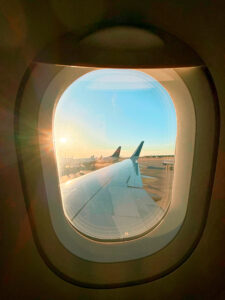
BeLight is the most powerful cue for your internal clock. Proper exposure, or avoidance, of light can accelerate your body’s adjustment to a new time zone.
- Morning light for eastward travel: Expose yourself to sunlight in the morning at your destination to help advance your circadian rhythm. This can make waking up in the new time zone easier.
- Evening light for westward travel: Seek sunlight in the late afternoon or early evening to delay your body clock and help you stay awake later.
- Limit light at night: Avoid screens or bright overhead lights in the hours leading up to bedtime. Consider using blue light-blocking glasses or apps to reduce screen exposure.
If you arrive somewhere and feel completely out of wack and like a shell of human (lol been there), a simple walk outdoors in natural light can do more for resetting your body clock than any sleeping pill. Some airlines and travel apps even suggest light exposure schedules based on your flight direction to optimize adjustment.
4. Time Your Meals Strategically
Eating habits play a surprisingly strong role in regulating your circadian rhythm. Adjusting your meal timing to match your destination’s schedule can help your body feel more aligned with the local time.
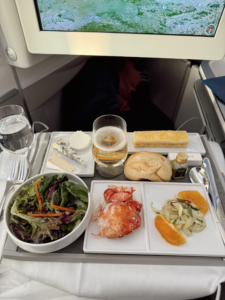
- Eat according to your destination: Even if you’re not hungry at first, try to eat meals in line with local mealtimes. Your digestive system responds to meal timing, which in turn can signal to your body whether it’s day or night.
- Start with lighter meals: Heavy, greasy foods can make you feel sluggish and may interfere with sleep quality. Opt for lighter meals, especially on the first day.
- Avoid alcohol at mealtime: Alcohol may make you drowsy temporarily but can disrupt your sleep cycle and worsen jet lag symptoms.
Some travelers even use “meal shifting” as a strategic tool, slowly adjusting when they eat in the days before departure. This small step can make a big difference in how quickly your body adapts.
5. Move Your Body During the Flight
Sitting in a cramped airplane seat for hours on end isn’t just uncomfortable, it can also exacerbate fatigue and jet lag. Movement helps improve circulation, reduces stiffness, and keeps your energy levels up.
- Stretch regularly: Neck rolls, shoulder shrugs, seated spinal twists, and ankle rotations are simple stretches you can do without leaving your seat.
- Walk the aisles: Try to get up and walk at least every 1–2 hours. Movement prevents swelling and blood clots while keeping you alert.
- Do light exercises: Exercises like calf raises, seated leg lifts, and gentle stretches can reduce discomfort and make your body feel more energized.
Frequent flyers, such as myself, can vouch that movement as a game-changer for post-flight fatigue. Even 5–10 minutes of activity every hour can dramatically improve how you feel after landing and help prevent jet lag!
6. Consider Sleep Aids Wisely
Sometimes, natural strategies aren’t enough, and short-term sleep aids can help reset your schedule. However, they should be used carefully.
- Melatonin: A natural hormone that helps regulate sleep-wake cycles. It’s most effective when traveling east and taken 30–60 minutes before your intended bedtime at your destination. Start with a low dose and increase only if necessary.
- Prescription sleep aids: Only under a doctor’s guidance and for short-term use.
- Avoid alcohol: Alcohol may make you drowsy, but it decreases sleep quality and can worsen jet lag.
- Jet Lag Suppressant: I have tried this jet lag suppressant from Amazon a few times, and maybe it works, maybe it doesn’t, it might be placebo effect, but I have felt decent after taking it.
Sleep aids are most effective when paired with hydration, light exposure, and strategic movement.
7. Take Short Naps Strategically
Once you land, it can be tempting to crash for hours, but long naps often worsen jet lag. Short, intentional naps can restore energy without preventing nighttime sleep since sometimes you LITERALLY cannot stay away. I’ve been there where your eyes burn, you’re practically nauseous, and you just need that 15-20 minute nap. Some say don’t do it, I say do it. I personally always feel better after.
- Keep naps under 30 minutes: This avoids deep sleep cycles that can leave you groggy.
- Time naps appropriately: Early afternoon naps are ideal if you arrive in the morning. Avoid late naps that can interfere with nighttime sleep.
- Use a comfortable environment: Sunglasses, earplugs, or a quiet room can help maximize the benefit of your nap.
Short, planned naps can recharge your body while allowing your internal clock to adapt to local time, so you wake up refreshed instead of groggy.
Bonus Tips to Prevent Jet Lag
While the seven strategies above are highly effective, here are some additional tips to further minimize and prevent jet lag:
Pack smart: Sleep masks (I love this weighted sleep mask), noise-canceling headphones, comfortable clothing (this set feels like pajamas, but still looks cute), and a travel pillow can make sleeping on the plane much easier.
Choose flights strategically: Overnight flights that align with the destination’s nighttime can help you sleep naturally.
Stay consistent immediately upon arrival: Adopt the local schedule for meals, sleep, and activity, even if it feels forced at first.
Create a relaxing bedtime routine: Reading, meditation, or gentle stretches can signal your body that it’s time to sleep.
Use airport lounges wisely: If you have a layover, resting in a quiet lounge with natural light exposure can help regulate energy levels.

Final Thoughts on How to Prevent Jet Lag
Jet lag is one of the most common frustrations for travelers crossing multiple time zones, but it doesn’t have to dominate or ruin your trip! The strategies outlined above are all grounded in science and the experiences of frequent flyers, (and myself!) and they’re designed to work together for the best results.
By adjusting your sleep schedule before departure, staying hydrated, strategically exposing yourself to light, timing meals, moving during the flight, and using short naps or sleep aids wisely, you can arrive at your destination feeling far more alert, energized, and ready to engage in your plans.
Even small steps, like sipping water consistently, taking a short walk down the aisle, or stepping outside for morning sunlight can dramatically improve your adjustment period.
If this post made you excited about planning your next trip and want it to feel organized, intentional, and stress-free, I offer custom itinerary planning services rooted in years of luxury travel experience. Click HERE to learn more about working together!
Remember: Every Person is Different!
It’s important to remember that every traveler’s body responds to travel differently! Some people may adjust within a few hours, while others may take a day or two to fully sync with local time.
Experiment with these strategies to find what works best for you. Keeping a journal of what you do before, during, and after flights can help identify patterns and optimize your routine for future trips.
Ultimately, the goal is to minimize the fatigue, disorientation, and frustration that jet lag brings, so you can make the most of your time at your destination. Whether you’re heading to a luxury ski resort, attending a high-stakes business meeting, or exploring a vibrant city halfway across the world, arriving refreshed is possible.
With a little preparation, attention to your body’s needs, and a few simple tricks, you can transform long-haul travel from exhausting to energizing.
Next time you book a long-haul flight, plan ahead using these strategies. By the time you touch down, you could feel like you’ve already adjusted to the new time zone, ready to explore, work, or relax without missing a beat.
Jet lag doesn’t have to control your trip. With these practical techniques, you can take control of your body clock and make every long-haul flight an opportunity to arrive at your best. I hope these tips on how to prevent jet leg help you on your next trip! Bon Voyage!
To view more travel guides, visit my blog page HERE.
This post contains links to affiliate websites, and I may receive an affiliate commission (at not cost to you!) for any purchases made by you using these links. I appreciate your support!



the Newsletter
Love ski travel and thoughtfully planned trips?
Subscribe for my FREE Travel Planner Download!
PLUS monthly emails with insider ski tips, packing edits, and travel guidance you won’t always find on the blog.