
How To Do Euro Summer The Right Way
Everyone dreams of “Euro Summer”. There’s a version of European Summer that looks incredible on Instagram. You know what I’m talking about: the linen outfits, the Aperol spritzes, the coastal sunsets, and the effortless train rides from one perfect destination to the next.
And then there’s the version people don’t talk about as much: missed connections, extremely hot hotel rooms with no AC, confusing train stations, sore feet, crowds you didn’t anticipate, and the low-level anxiety of constantly wondering if you’re doing it wrong.
Here’s the truth about traveling to Europe in the summer: doing Euro Summer “right” isn’t about hitting every iconic destination or squeezing in as many countries as possible. It’s about traveling smarter, pacing yourself, and understanding how Europe actually works, logistically, culturally, and practically!
This guide is for travelers who want their European summer to feel elevated but not exhausting.
Also, hi there! My name is Sydney and welcome to my blog, The Après Society! I cover a variety of travel and skiing related topics, as these are my passions in life, and I am so excited and fulfilled to be writing about them. I hope this blog makes your life just a little bit better either with travel hacks, outfit inspiration, or just pure entertainment.
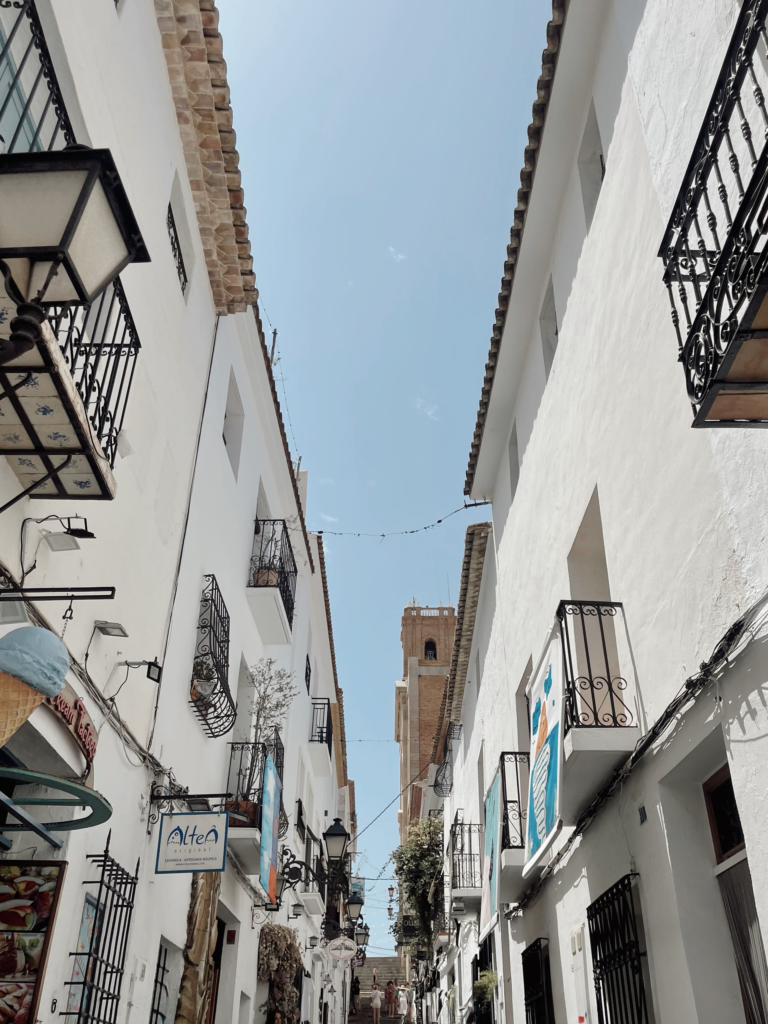
Start With the Right Mindset: Slower Is Better
One of the biggest mistakes people make with European travel is overdoing their itinerary. Euro summer is all about following suit from the Europeans and slowing down.
Did you know that most Europeans get most of the summer off from work? The culture over there is truly all about slowing down in the summertime.
Three cities in five days sounds productive, but it often leads to E-X-H-A-U-S-T-I-O-N rather than enjoyment! Trust me, I’ve been there where I just booked wayyyy too many tours in a row and just wanted a day to relax.
Travel days take longer than you expect, and constantly moving means you never really settle in.
Europe also rewards slow travel. Staying in one place for a few nights allows you to get comfortable, find your favorite local café, and experience the destination beyond the touristy highlights.
If you ever feel tempted to add “just one more city,” it’s usually a sign you should do the opposite!
Navigating Europe Is Easier Than You Think (Thanks to Maps)
Public transportation in a foreign country can feel extremely intimidating if you’re not used to it, but Apple Maps and Google Maps can make navigating Europe surprisingly simple. This is my favorite hack for traveling in a foreign country and has been a lifesaver for me many times and just overall takes the stress out of public transit.
These apps don’t just tell you which train or bus to take, they guide you step by step.
You can see exactly how many stops you have to ride before you get off, where to get on, where to transfer trains if you need to, and which stop to get off. In larger cities, they often even show which exit to use in major stations.
Before heading out for the day, it’s also worth downloading offline maps so you’re covered underground or in areas with spotty service. Once you realize how reliable public transit is in Europe, you’ll start moving around big European cities with confidence instead of hesitation.
Get Euros Before You Leave (And Spend Your Coins!)
While credit cards are widely accepted across Europe, cash is still important, especially for small purchases, cafés, taxis, and local shops. If you are using a credit card, make sure it doesn’t have foreign transaction fees. My favorite travel credit card in my wallet is the Chase Sapphire.
Converting currency before you leave the U.S. is ideal. Usually your local bank gives you a much better exchange rate than airport kiosks (avoid these if you can!!).
Once you’re there, be intentional about using your cash. Coins in particular don’t convert back well, and they tend to pile up quickly. Try to spend them while you’re still in the country rather than bringing them home!
This approach to cash typically works well:
- Carry some local cash
- Use a credit card with no foreign transaction fees for most purchases
- Always choose to pay in local currency when prompted
Tourist Spots Aren’t Bad, But Choose Them Wisely
There’s nothing wrong with wanting to see famous places. They’re iconic destinations for a reason!
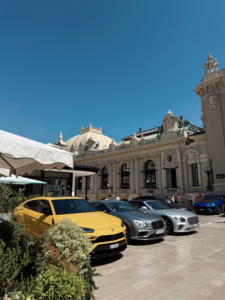
Monaco, for example, sounds glamorous, but for many travelers (umm, me…) it feels overcrowded, expensive, and a bit overrated. Actually, really overrated. I’m not saying don’t visit, but you probably don’t need more than a few hours there and expect to drop quite a bit of money on a basic lunch. It’s also just a lot of people flexing rented cars in my opinion.
Another example is Nice is beautiful, but extremely busy in peak season. Instead of sticking strictly to well-known hotspots, it’s worth researching where locals actually vacation.
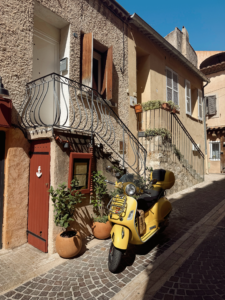
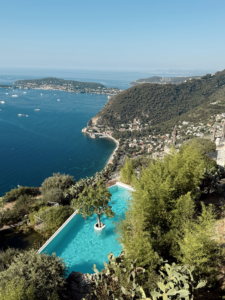
Cassis, France is a great example of this! It’s stunning, relaxed, and filled with French families on holiday. The water is clear, the pace is slower, and it feels far more authentic than some of the more hyped Riviera stops. If you’re headed to the South of France, you need to check out Cassis.
Overall what I am trying to get at is don’t always pick the “popular” destinations.
A balanced approach for Euro Summer works best:
- Go to one well-known destination and then a lesser-known town
- Visit popular spots early in the morning or later in the evening
- Stay just outside the most crowded areas
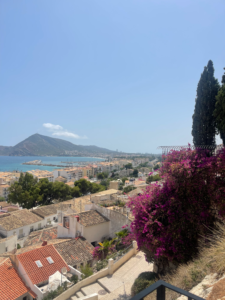
Do Your Research (Especially in Summer)
If you enjoy tourist attractions, museums, and iconic landmarks, preparation is key, especially in the peak months July and August. Many places require advance reservations, sell out days ahead, or have limited hours that catch foreign travelers off guard.
Do bit of research ahead of time, and this will help you avoid:
- Standing in long lines in the heat (NOT fun)
- Missing out on sold-out attractions (bummer)
- Wasting time backtracking across a city (SO many steps)
This doesn’t mean scheduling out every. single. minute. of your trip. It just means knowing what activities require planning and what parts of your day you can leave open.
If this post made you excited about planning your next trip and want it to feel organized, intentional, and stress-free, I offer custom itinerary planning services rooted in years of luxury travel experience. Click HERE to learn more about working together!
Book Places With Air Conditioning (Trust Me On This!)
This is one of those things people don’t think about until it’s too late. Many European hotels and apartments either don’t have air conditioning or only offer it in certain areas. After walking all day in the heat, a cool room at night can make a huge difference in how you feel the next day.
Nothing is more refreshing than coming back from a hot day sightseeing into an ice cold room.
If you’re used to sleeping with AC, prioritize accommodations that have it! Especially in summer. Just be respectful and turn it off when you leave during the day as it’s customary not to run AC while you’re out. It’s a small habit that goes a long way.
Wear Shoes You Can Walk in All Day
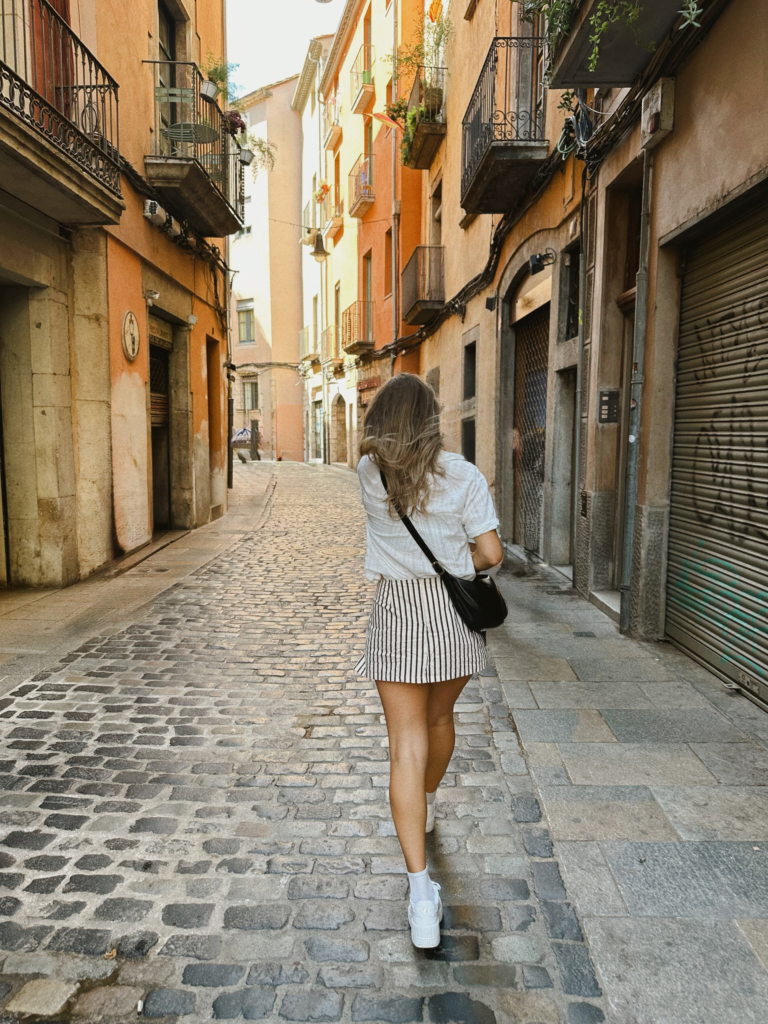
You will walk WAYYY more in Europe than you ever do at home. Between the cobblestone streets, uneven sidewalks, and cities designed for pedestrians, comfortable shoes are non-negotiable, absolute must-have!
This doesn’t mean sacrificing style completely, but it does mean choosing shoes that are broken in and supportive. Packing fewer outfits in exchange for better footwear is always the right choice. These are the sneakers I continue to buy over and over and have served me well in Europe.

Learn the European Daily Rhythm
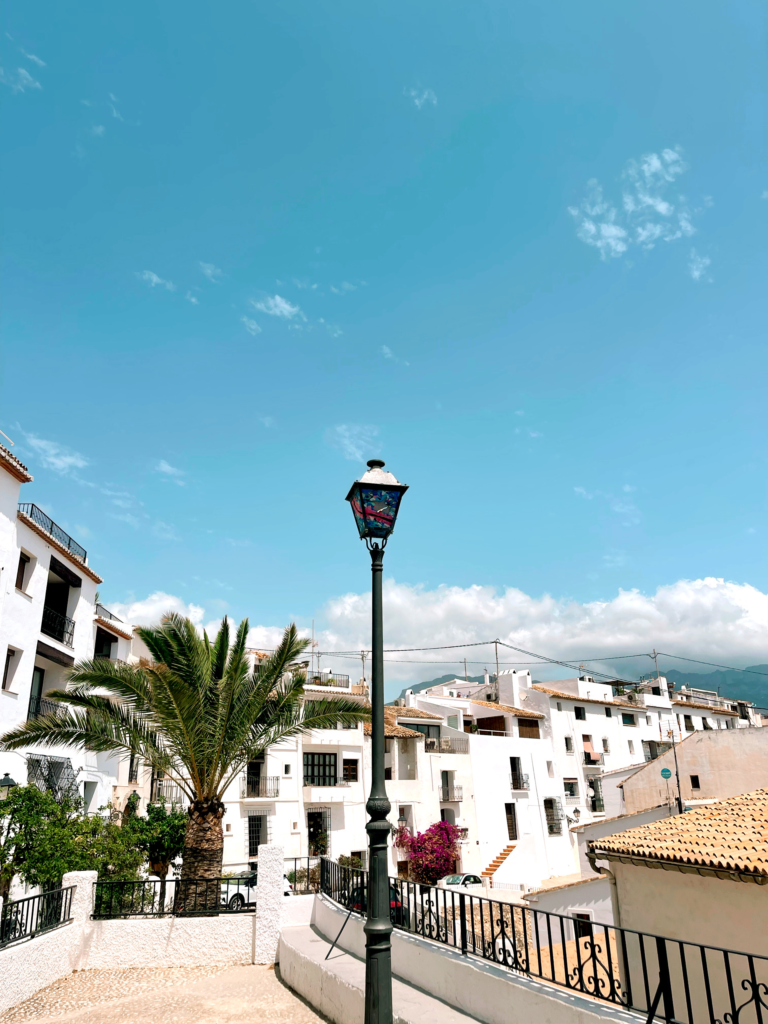
European days tend to run later and slower than in the U.S. Also, shops may close midday for lunch or a siesta in smaller towns. Dinners start later, and service at restaurants is more relaxed. This isn’t poor service, it’s just the culture of Europe.
Once you stop rushing meals or expecting quick turnarounds, the entire experience becomes more enjoyable and honestly, more European. Plan sightseeing earlier in the day, keep afternoons flexible, and let dinners unfold at their own pace. This is Euro Summer, after all!
Location in Europe Matters More Than Luxury
Where you stay often matters more than how fancy it is. Being slightly outside the historic center can mean quieter nights, better nightly value, and more local dining options! Easy access to public transportation or a walkable neighborhood will make your trip smoother than staying right in the middle of tourist crowds.
Pack Light, Plan Smart
European travel often involves stairs, more stairs, trains, and buildings without elevators. Packing light makes everything easier. Focus on versatile clothing (hello, capsule wardrobe), layers for cooler evenings, and items you’ll actually wear.
Instead of overpacking, plan to do laundry once during your trip if you can. Laundromats are common, easy, and allows you to travel with less stress (and less weight). Plus, it leaves room for the shopping and souvenirs you will probably want to bring back!
Train Travel Is Part of the Experience
Trains are one of the best ways (and affordable) to get around Europe, but they do require some planning. Booking key routes in advance can save money and ensure you get the seats you want, especially on popular lines.
At the same time, leave room for flexibility. Some of the best moments come from staying an extra day somewhere you love or changing plans on a whim 🙂
A Little Cultural Awareness Goes a Long Way
Learning a few basic phrases of the language of the country you are in goes a long way with the locals!
Also, understanding tipping norms, and knowing that things like water or bread may not be complimentary helps you blend in and avoid awkward moments. Even small efforts are usually appreciated.
Let Go of a Perfect Trip for Euro Summer
No matter how well you plan, something will go not as planned. Trains get delayed, plans change, and not everything looks exactly like it did online. That’s normal! And often where the best memories come from.
Doing Euro Summer right isn’t about perfection for the Instagram post. It’s about being prepared enough to relax, flexible enough to adapt, and present enough to enjoy it all.
Final Thoughts: How to Travel Europe in Summer the Right Way
Doing Euro Summer right isn’t about seeing every country or chasing the most Instagrammable spots. It’s about understanding how to travel Europe in summer in a way that feels smooth, realistic, and enjoyable! After all, this is a vacation!
Whether it’s using Apple Maps or Google Maps to confidently navigate public transportation in Europe, booking accommodations with air conditioning, choosing walkable neighborhoods, or packing comfortable shoes for long days of exploring, small decisions make a big difference when traveling through Europe in peak season.
These details are often what separate an exhausting trip from a truly enjoyable European summer experience 🙂
Traveling Europe in summer also means balancing iconic destinations with lesser-known places, researching popular attractions in advance, and adjusting expectations to match local rhythms.
From understanding cash and currency exchange to planning train travel and pacing your itinerary, preparation allows you to relax once you arrive.
Europe rewards travelers who take their time, embrace local culture, and prioritize experience over volume. When you do that, your Euro summer trip becomes something you’ll want to repeat again and again.
If you are interested in more travel guides, view my blog page.
This post contains links to affiliate websites, and I may receive an affiliate commission (at not cost to you!) for any purchases made by you using these links. I appreciate your support!