
The Ski Travel Edit: What to Pack for Skiing in Europe (What’s Different From the U.S.)
If you’ve skied in Colorado, Utah, or Tahoe and think packing for skiing in the European Alps is the same thing with a passport added, think again! Skiing in Europe looks similar on Instagram, but the reality is, it’s very different from skiing in the U.S. (speaking from experience), and what you pack is definitely important!
European ski trips involve walking through villages in ski boots, riding trains instead of driving to resorts, eating long lunches at mountain huts, and dealing with icier conditions, fewer powder days, and less ski-in/ski-out lodging. You’re not just packing for skiing, you’re packing for skiing + travel + towns + après + weather that behaves differently than the Rockies.
This guide is written from my firsthand experience skiing in the Austrian Alps during peak season. It’s designed to help American skiers avoid overpacking, pack smarter, and show up prepared for how skiing in Europe actually works.
Whether you’re headed to Austria, France, Italy, Switzerland, or Germany, here’s what to pack for skiing in Europe, plus exactly what’s different from the U.S. and why it matters to you.
Also, hi there! My name is Sydney and welcome to my blog, The Après Society! I cover a variety of travel and skiing related topics, as these are my passions in life, and I am so excited and fulfilled to be writing about them. I hope this blog makes your life just a little bit better either with travel hacks, outfit inspiration, or just pure entertainment.
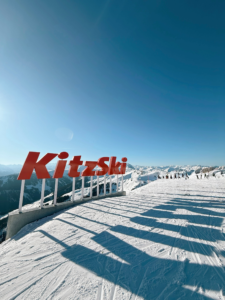
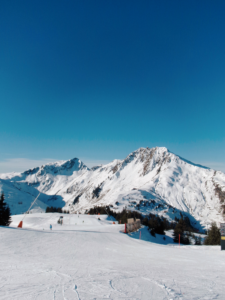
Why Packing for Skiing in Europe Is Different
The biggest mistake American skiers make when packing for skiing in Europe is packing as if they’re going to a self-contained resort where everything is ski-in/ski-out and a car is always nearby. In Europe, you are far more exposed to the logistics of travel. You’ll likely arrive by train, walk through town with your bags, and carry your gear longer distances than you would at a U.S. resort. This alone changes what luggage makes sense for travel and how much you want to bring.
Snow conditions also influence packing decisions. While Europe absolutely gets snowfall, many resorts rely heavily on grooming and natural snow rather than consistent artificial snowmaking. The result is much much firmer pistes and icier conditions, especially in places like Austria and Switzerland. Clothing that worked perfectly for dry Rocky Mountain powder may suddenly feel inadequate when wind and ice are involved.
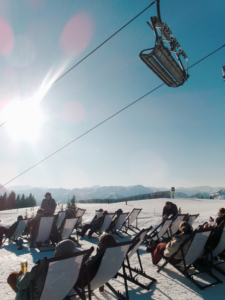
Finally, European ski culture places much more emphasis on social time. Long lunches on sunny terraces, crowded après-ski huts, and evenings in town mean you’ll want clothing that works both on and off the mountain. This isn’t the trip where you can get away with packing only leggings and hoodies.
Travel Documents and Essentials You’ll Be Glad You Packed
Before even thinking about ski gear, it’s important to have your travel basics sorted. Most European countries require your passport to be valid for at least six months beyond your return date, which catches more travelers than you’d think. Having both digital and printed copies of your passport, accommodation confirmations, and train tickets makes travel days much smoother. Especially when phone batteries drain quickly in the cold or because you’re not sure what your international service will look like in a foreign country.
Travel insurance is another essential that matters more on a ski trip than almost any other type of travel. Medical care in Europe is excellent, but skiing injuries can become expensive without proper coverage. A policy that includes winter sports, medical evacuation, and trip interruption is worth the peace of mind for your trip.
Because European ski hotels often have limited outlets, especially in older buildings, a European power adapter with multiple USB ports is far more practical than a single-plug adapter. It’s a small thing that makes a big difference at the end of a cold day.
Choosing the Right Luggage for a European Ski Trip
Luggage choice can make or break a European ski trip. While carry-on-only skiing is possible, it requires very disciplined packing and often isn’t realistic for first-time visitors. A medium-sized roller bag (my Travelpro only weighs 7 lbs and has been indestructible!) paired with a comfortable backpack tends to be the sweet spot. You’ll want something easy to maneuver through train stations, hotel lobbies, and snowy streets without feeling like you’re hauling your entire closet behind you (made this mistake before!).
A backpack is non-negotiable. You’ll use it constantly: on trains, while walking through town, and sometimes even to carry ski boots or a helmet. Look for one that sits comfortably and has multiple different zippered pockets. European travel involves more walking than most American ski trips, and comfort matters.
Ski Clothing: Layering Matters More Than You Expect
When it comes to ski clothing, layering is far more important in Europe than many American skiers anticipate. Wind exposure on lifts can be harsher, and colder-feeling snow means insulation matters even on days that don’t look particularly frigid on the forecast.
A waterproof, windproof ski jacket is essential, ideally one designed as a shell rather than a heavily insulated piece. This allows you to adapt more easily to changing conditions by adjusting your layers underneath. Ski pants should also be fully waterproof. Thin soft-shell pants that work in drier U.S. climates often fall short on icy European slopes.
Base layers deserve more attention than they usually get. Packing three to four high-quality base layers for a week-long trip allows you to rotate without constantly washing clothes. Merino wool is especially valuable in Europe, as it regulates temperature well and doesn’t hold onto odors the way synthetic fabrics can.
Midlayers are where flexibility really comes into play. A combination of fleece layers and a lightweight down or synthetic jacket gives you options for both cold ski days and casual evenings in town.
Gloves, Socks, and Cold-Weather Accessories
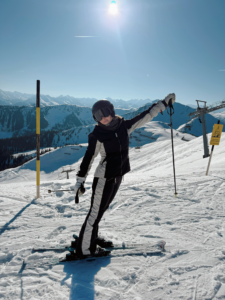
European ski conditions are harder on extremities, and this is where underpacking becomes obvious very quickly. Bringing two pairs of gloves is not excessive, it’s practical. One insulated, waterproof pair is essential, and a backup pair ensures you’re not miserable if the first gets wet or cold.
Ski socks should be thin but warm, and you’ll want more pairs than you think. I exclusively wear Smartwool ski socks and have been for 15+ years. They’re the best on the market! Cold feet are common on icy slopes, and fresh socks can make a surprising difference in comfort. Neck gaiters or buffs are another underrated item, providing crucial wind protection on lifts and exposed runs.
A warm hat (this is my go-to chic beanie!) for evenings in town and a thin helmet liner for particularly cold days round out the cold-weather essentials.
Helmets and Ski Boots: Bring Your Own if You Can
Helmet expectations differ across Europe. While helmet use is becoming more common, many rental shops either charge extra or don’t offer helmets at all. Bringing your own helmet (if possible) ensures proper fit and hygiene, and it eliminates one more thing to worry about when you arrive.
I also recommend bringing your own ski outfit if possible. I’ve rented boots, poles, and skis in Austria, and I am glad I didn’t have to rent the ski outfit!
Après-Ski Clothing: Where Americans Usually Underpack
Après-ski in Europe is not an afterthought – it’s part of the full experience! From crowded mountain huts in Austria, to elegant wine bars in France, you’ll want clothing that feels intentional and elevated. This doesn’t mean dressing up, but it does mean packing real outfits rather than relying solely on athletic wear.
Comfortable sweaters, stylish pants or dark jeans, thermal tights, and a pair of casual boots or sneakers go a long way. You’ll blend in more easily, feel more confident, and be far more comfortable lingering over long lunches and evening drinks.
Footwear for Towns, Trains, and Snowy Streets
European ski towns are charming, but they’re not always forgiving on your feet. Cobblestone streets, icy sidewalks, and snowy paths make footwear choice critical. Waterproof boots with good traction are far more practical than fashion-first shoes. A comfortable pair of sneakers with grip is also useful for travel days and dry conditions.
Many hotels and chalets expect guests to change into indoor shoes, so packing lightweight slippers or designated indoor footwear can be surprisingly useful.
Swimwear, Spas, and European Wellness Culture
One of the best surprises of skiing in Europe is how common wellness facilities are. Many ski hotels have saunas, steam rooms, and pools, and some regions take spa culture very seriously. Don’t forget to pack a swimsuit and flip flops so you can enjoy these amenities without scrambling to buy something overpriced locally!
Tech, Toiletries, and Personal Comfort Items
Cold weather drains phone batteries quickly, making a portable battery pack extremely useful. If you enjoy photography, Europe’s dramatic alpine scenery is worth capturing with more than just a phone camera, especially on clear days.
High-altitude sun exposure is intense even in winter, so sunscreen is just as important as lip balm and heavy moisturizer. Basic medications, blister care, and muscle relief products are also worth packing, as icy skiing can be tougher on the body than expected.
What Not to Pack for Skiing in Europe
One of the biggest differences between a smooth, enjoyable European ski trip and a frustrating one often comes down to what you didn’t pack. Many American skiers instinctively overpack, assuming they’ll need multiple outfit changes, backup gear, and every just-in-case item they own. In Europe, this approach usually backfires. You’ll be walking more, carrying your own bags more often, and navigating tighter hotel rooms, trains, and storage areas where excess luggage quickly becomes a burden.
A common mistake is packing too many ski outfits. In the U.S., it’s normal to rotate through multiple jackets and pants, especially on longer trips. In Europe, this is unnecessary and impractical. Most skiers wear the same outerwear every day and simply rotate base layers underneath. Dragging multiple bulky ski jackets or pants across train platforms and into small hotel rooms adds weight without adding comfort or convenience. On my recent Austrian ski trip, two jackets was plenty, and I definitely overpacked by bringing more!
Bulky après-ski clothing is another item that sounds great when packing at home, but rarely earns its place in your suitcase. Heavy sweaters, stiff jeans, and fashion boots that look great in photos can feel cumbersome after a long ski day and awkward to pack. European après-ski is stylish, but it’s also relaxed and functional. Lighter layers that can be mixed and matched work far better than oversized, single-purpose pieces.
Large toiletry bottles are also unnecessary! European hotels almost always provide soap, shampoo, and basic amenities, and drugstores are pretty common, even in most small mountain towns.
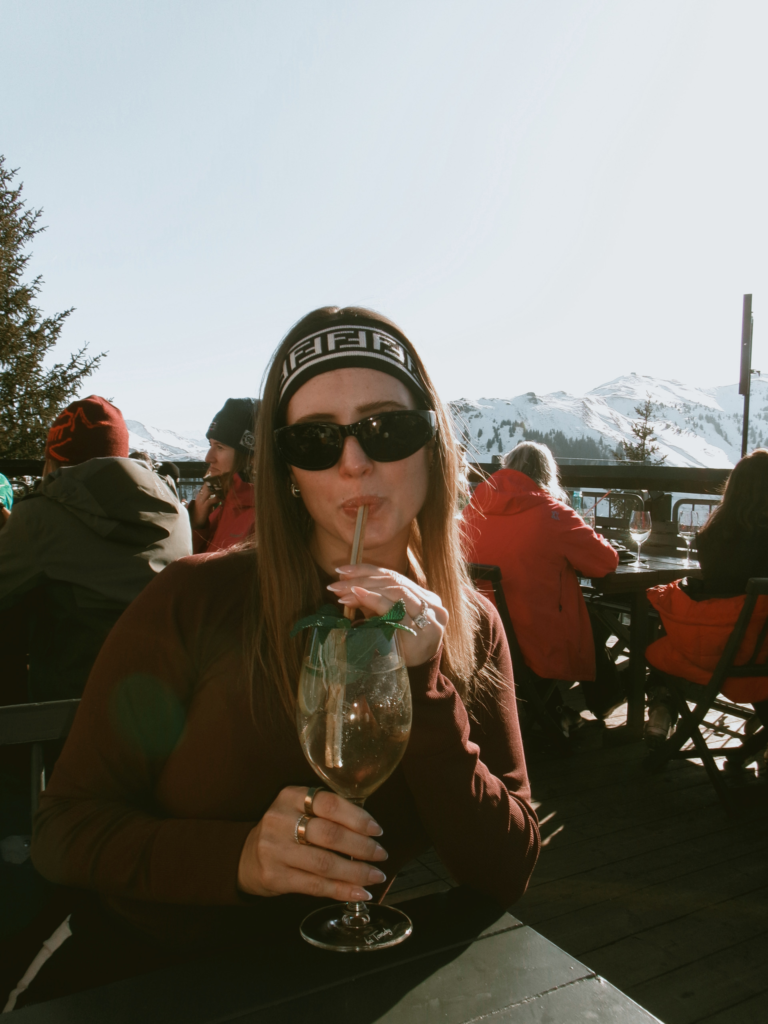
If this post made you excited about planning your next trip and want it to feel organized, intentional, and stress-free, I offer custom itinerary planning services rooted in years of luxury travel experience. Click HERE to learn more about working together!
Final Thoughts: What to Pack for Skiing in Europe
Skiing in Europe is a different experience than skiing in the United States, and the most successful trips happen when you pack for how it actually works. Walking through towns, traveling by train, dealing with firmer snow conditions, and spending meaningful time off the mountain all shape what you’ll be glad you brought and what you’ll wish you had left behind. When your packing for a ski trip in Europe aligns with that reality, everything feels easier and more enjoyable! After all, I am assuming this is supposed to be a fun trip!
The goal isn’t to pack as little as possible, but to pack intentionally. Versatile layers, comfortable footwear, and a few thoughtfully chosen off-mountain outfits go much further than excess gear and bulky extras. When you pack with the European rhythm of skiing in mind, you spend less time managing logistics and more time enjoying long lunches, lively après-ski, and the unique culture that makes skiing in Europe so special.
For more travel tips, destination guides, and realistic advice for traveling while working full-time, head over to my blog page and start planning your next trip today ✈️
This post contains links to affiliate websites, and I may receive an affiliate commission (at not cost to you!) for any purchases made by you using these links. I appreciate your support!
the Newsletter
Love ski travel and thoughtfully planned trips?
Subscribe for my FREE Travel Planner Download!
PLUS monthly emails with insider ski tips, packing edits, and travel guidance you won’t always find on the blog.