
Beginner’s Guide to Ski Trips: What to Know Before You Go
Planning your first ski trip feels equal parts exciting and intimidating! Kind of like stepping into a world where everyone looks effortlessly cool, confident, and coordinated… except you. But here’s the secret: every single skier on that mountain was once a beginner too.
Once you understand the basics, skiing becomes one of the most fun, empowering, and one of the best winter getaways you can take. Fresh mountain air, cozy alpine villages, long lunches with views, and that unmatched feeling of gliding down snow-covered slopes, you can’t beat it!
This beginner’s guide to ski trips breaks everything down in a simple, non-intimidating way so you know exactly what to pack, what to expect, how to stay safe, and how to actually enjoy your first ski vacation (instead of feeling overwhelmed).
Whether you’re heading to Colorado, the Alps, Canada, or your local mountain for the very first time, here’s everything you need to know before you go, from someone who has been skiing since they were 2 years old and competitively ski raced for 15 years- I got you!
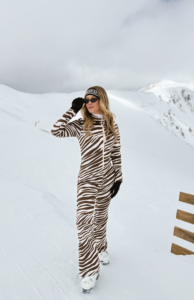
1. Choose the Right Ski Destination (This Matters More Than You Think)
Not all ski resorts are created equal, especially for beginners. Some mountains cater heavily to advanced skiers with steep terrain, tight runs, and that can feel terrifying if you’re just learning. Others are designed to gently introduce you to the sport, with wide slopes, patient instructors, and dedicated learning zones.
When choosing your first ski destination, look for resorts that offer:
- Plenty of green (easy) runs
- A high-quality ski school with beginner-specific programs
- Slower, beginner-friendly lifts (magic carpets are a bonus)
- Wide, low-traffic slopes
- Affordable beginner packages or lesson bundles
- A good base village with restaurants, rentals, and après-ski
Beginner-Friendly Ski Resorts in North America
Some of the most popular beginner-friendly resorts include:
- Aspen Snowmass (CO) – Especially Snowmass, which has some of the best beginner terrain in the U.S.
- Steamboat (CO) – Known for wide, gentle groomers and an approachable vibe
- Breckenridge (CO) – Great ski school and learning areas
- Keystone (CO) – Fantastic beginner zones and night skiing
- Park City (UT) – One of the largest resorts with plenty of green runs
- Whistler Blackcomb (Canada) – World-class instruction and beginner-friendly learning zones
Beginner-Friendly Ski Resorts in Europe
Europe can be incredibly beginner-friendly too—just with better lunches.
- Kitzbühel (Austria) – Charming town, excellent ski schools, mellow terrain
- Courchevel (France) – Part of the Three Valleys, with incredible beginner infrastructure
- Saalbach-Hinterglemm (Austria) – Wide slopes and great progression terrain
- Zell am See (Austria) – Scenic and beginner-friendly
Tip: Avoid resorts famous for extreme terrain on your very first trip (Jackson Hole, Telluride, Chamonix). You’ll enjoy skiing so much more if you start somewhere welcoming and mellow.
2. Book a Lesson (Trust Me on This One)
Even if you’re athletic, coordinated, or have experience with snowboarding, skating, or surfing—skiing has a learning curve. A professional ski lesson will save you hours of frustration, prevent bad habits, and help you progress faster and safer.
Lesson Options Explained
- Group Lessons: More affordable and social. Perfect for learning the basics.
- Private Lessons: Pricier, but ideal if you want fast progress or personalized attention.
- Half-Day Lessons: Great for first-timers who don’t want to burn out.
- Multi-Day Beginner Programs: Often include lessons, rentals, and lift tickets.
A solid lesson on Day 1 can be the difference between dreading skiing and loving it. Many beginners find that one lesson gives them enough confidence to explore green runs on their own for the rest of the trip.
3. Rent Your Gear Instead of Buying It
Buying ski gear for your first trip is unnecessary and expensive! Ski technology changes constantly, and you won’t yet know what you like or need. Renting allows you to try skiing without committing to thousands of dollars in gear.
What You’ll Typically Rent
- Skis
- Ski boots
- Poles
- Helmet
Rental shops will size you correctly, adjust your bindings, and match skis to your height, weight, and ability level.
Where to Rent
- On-Mountain Rentals: Most convenient, but more expensive
- In-Town Rentals: Cheaper and often better service, but you’ll need to transport gear
What You Should Buy Instead
Some items are personal and worth owning:
- Goggles
- Gloves or mittens
- Base layers
- Ski socks
Trust me—you never want to rent gloves.
4. Learn the Ski Clothing Formula
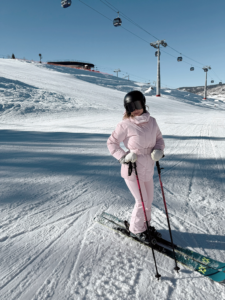
Staying warm and dry can make or break your ski experience. The key is layering, not wearing one massive jacket.
The Perfect Ski Outfit Breakdown
Base Layers (Top & Bottom)
- Moisture-wicking fabric (merino wool or synthetic)
- Avoid cotton
Mid Layer
- Fleece, insulated jacket, or lightweight puffer
- Provides warmth without bulk
Outerwear
- Waterproof ski jacket
- Waterproof ski pants or bibs
Accessories You’ll Need
- Warm ski socks (one pair only—no layering)
- Waterproof gloves or mittens
- Neck gaiter or buff
- Helmet
- Goggles
- Beanie for après-ski
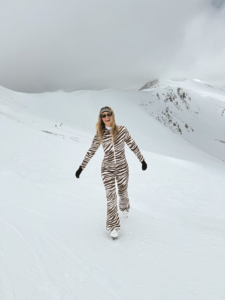
Style Tip: Stick to cohesive colors: neutrals, soft pastels, or bold monochrome sets. You’ll look effortlessly chic without trying too hard.
5. Understand Your Lift Ticket Options
Lift tickets give you access to the mountain and they can be super pricey if you don’t plan ahead.
Beginner-Friendly Ticket Tips
- Book online early (same-day tickets are the most expensive)
- Look for beginner-area-only tickets
- Consider multi-day passes for better value
- Ask about ski-and-lesson packages
Epic & Ikon Buddy Passes
If you have friends with an Epic or Ikon Pass, ask about buddy passes. They often come with discounted day tickets and can save you serious money.
Some resorts also offer ski-and-lesson packages, which are ideal for first-timers.
6. Know the Basics of Ski Etiquette
Skiing has unspoken rules, similar to driving, that keep everyone safe.
Beginner etiquette essentials:
- Always look uphill before merging
- Yield to skiers downhill
- Move to the side if you fall
- Don’t stop in narrow areas or over hills
- Control your speed
Follow these and you’ll feel confident and respectful on the mountain.
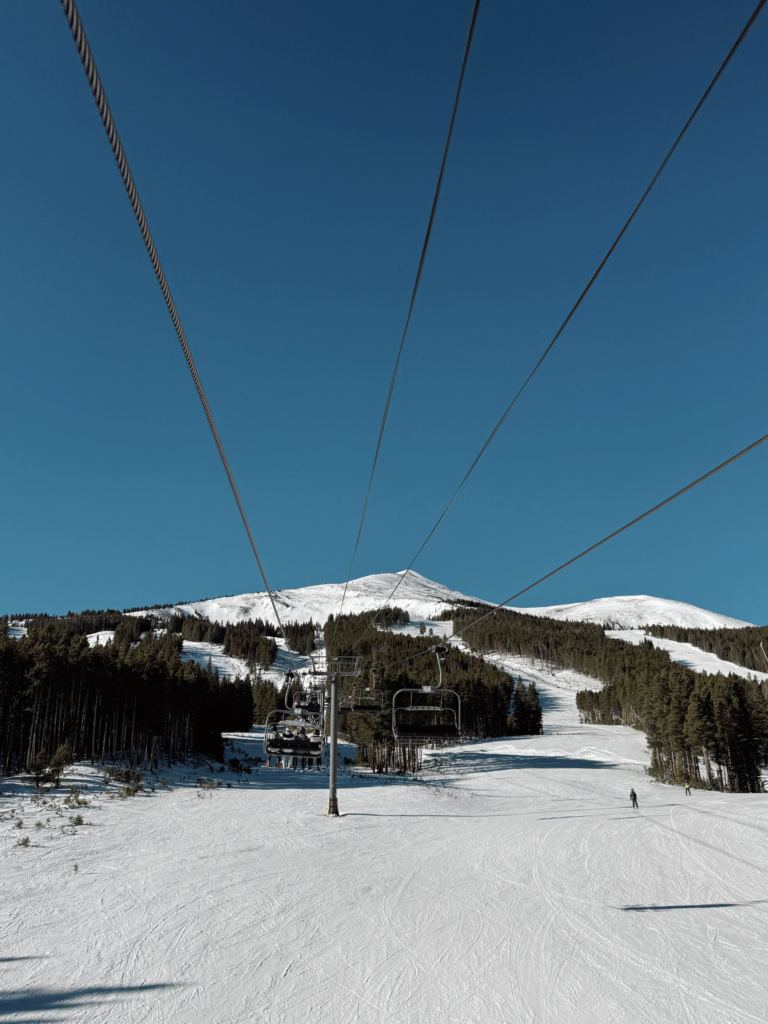
7. What to Expect Your First Day Skiing
Let’s be real: Day 1 can be tough.
Your boots will feel awkward. You’ll fall (probably more than once). You’ll wonder how people make it look so easy.
That’s normal.
By Day 2, things start clicking:
- You’ll feel more balanced
- Stopping feels more controlled
- Turns make sense
- Fear fades into excitement
Skiing rewards consistency. Every run gets easier and more fun!
8. Après-Ski: The Fun Part
Après-ski is the social reward at the end of the day. It’s where ski boots come off and the vibes come alive.
Think:
- Cozy fireplaces
- Hot chocolate or mulled wine
- Aperol spritzes in Europe
- Live music and mountain views
Some resorts go full party mode, others keep it relaxed and refined, but après is always part of the experience. Go enjoy it, you earned it!
9. Common Beginner Ski Mistakes to Avoid
Want to skip the classic first-timer fails? Here’s what not to do:
- Wearing cotton (you’ll freeze). Try wool!
- Renting boots that feel “tight” – they’re supposed to be snug, but not supposed to cut off circulation.
- Skipping a lesson.
- Starting on blue runs too soon.
- Not drinking enough water (altitude is no joke).
- Forgetting sunscreen. Yes, even in winter.
Stay hydrated, pace yourself, and don’t pressure yourself to be perfect.
10. Beginner Ski Day Mountain Essentials
Ski Clothing
- Base layers (2–3 sets)
- I recommend merino wool sets
- Ski jacket
- Ski pants or bibs
- Mid-layers
- Ski socks (one pair per day of skiing)
- Ski boots
- Skis (fit to your ability)
- Après outfits
Accessories
- Goggles (low-light vs sunny lenses)
- low-light for cloudy days, mirrored for sunny days
- Helmet
- Gloves vs mittens
- I prefer mittens and love Hestra.
- Neck gaiter
- Hand warmers and/or toe warmers
Toiletries & Misc
- Sunscreen (SPF 30+) (trust me on this one)
- Lip balm with SPF
- Small backpack
- Refillable water bottle
- Portable charger
- Pain reliever (altitude headaches)
11. Altitude Tips to Feel Your Best on a Ski Trip
NOTE: For high altitude ski trips, it is ESSENTIAL that you drink lots of water to avoid altitude sickness. Nothing is worse than a horrible headache and throwing up (and potentially a hospital visit) on your ski trip.
Hydrate more than you think you need
Drink water consistently throughout the day, starting before you arrive. Bring a refillable bottle and sip between runs. Electrolytes are especially helpful.
Eat enough (yes, carbs help!)
Altitude suppresses appetite, but your body needs fuel. Carbs are your friend here! They help your body use oxygen more efficiently.
Take it easy on alcohol the first day
Après-ski cocktails hit harder at altitude. Ease in slowly, especially the first night.
Sunscreen is not optional
The sun is stronger at elevation and reflects off the snow. Apply SPF to your face, lips, and any exposed skin, even on cloudy days.
Rest when you need to
It’s okay to ski half days, especially at the beginning. Fatigue leads to sloppy technique and falls.
Listen to your body
If you feel lightheaded or unwell, take a break. Skiing will still be there tomorrow.
Altitude is temporary. Your confidence and enjoyment will grow each day as your body adapts.
12. First Ski Trip FAQs
If you’re feeling nervous, you’re not alone. These are some of the most common questions first-time skiers ask—and honest answers you’ll be relieved to hear.
- Is skiing hard for beginners?
Skiing has a learning curve, but it’s absolutely beginner-friendly with the right instruction. Most people can safely ski green runs within their first one or two days, especially after a lesson. - How many days do you need for a first ski trip?
Ideally, plan for 3–4 days. Day one is about learning, day two is when things start clicking, and by day three you’ll actually feel confident and have fun exploring. - Do you have to be athletic to ski?
No. Skiing is more about balance and technique than strength. Plenty of beginners of all fitness levels learn successfully, especially with proper lessons. - What if I’m scared?
Fear is normal. Start slow, stay on beginner terrain, and don’t rush progression. Ski instructors are trained to help nervous beginners feel safe and supported. - Will I fall a lot?
You’ll probably fall a few times and that’s okay! Snow is forgiving, and learning how to fall safely is part of the process. Most falls happen at slow speeds on beginner slop
What to Do After Your First Ski Trip (How to Keep Improving)
Your first ski trip is just the beginning. Once you’ve mastered the basics: stopping, turning, riding the lift, and navigating green runs, and now you’re ready to build on that momentum and keep improving!
Plan your next trip soon
Booking another trip within the same season (or early the following season) helps solidify your skills. Muscle memory kicks in faster, and everything feels familiar instead of intimidating.
Take another lesson early
The second lesson often gives the biggest gains. Instructors can refine your technique, help you transition to parallel turns, and safely introduce slightly steeper terrain.
Gradually try blue runs
Once green runs feel comfortable, challenge yourself with an easy blue. Stick to groomed trails and avoid pushing your limits when tired. Confidence grows fastest with steady, gradual progress!
Focus on consistency, not speed
Repetition is key! Concentrate on smooth turns, controlled speed, and maintaining proper form. Even skiing the same run multiple times builds skill faster than trying to race down the mountain.
Consider buying key gear
After one or two trips, many beginners invest in boots first. Properly fitted boots dramatically improve comfort and control, even if you continue renting skis.
Most importantly, remember: skiing gets exponentially more fun after the beginner stage. The awkward phase passes quickly, leaving you with confidence, freedom, and a winter hobby you’ll want to revisit year after year.
If this post made you excited about planning your next trip and want it to feel organized, intentional, and stress-free, I offer custom itinerary planning services rooted in years of luxury travel experience. Click HERE to learn more about working together!
Final Thoughts: You’ve Got This!
Your first ski trip is supposed to be fun, not stressful! With the right gear, the right outfit, and the right mindset, you’ll pick it up faster than you expect. The key is to go in prepared, be patient with yourself, and remember that every single person on that mountain was once a beginner too.
Before long, you’ll be cruising down the greens, snapping cute lodge pics, and planning your next winter getaway.
I hope you enjoyed this beginner’s guide to ski trips, and have fun out there!
For more travel guides, view my blog page.
This post contains links to affiliate websites, and I may receive an affiliate commission (at not cost to you!) for any purchases made by you using these links. I appreciate your support!